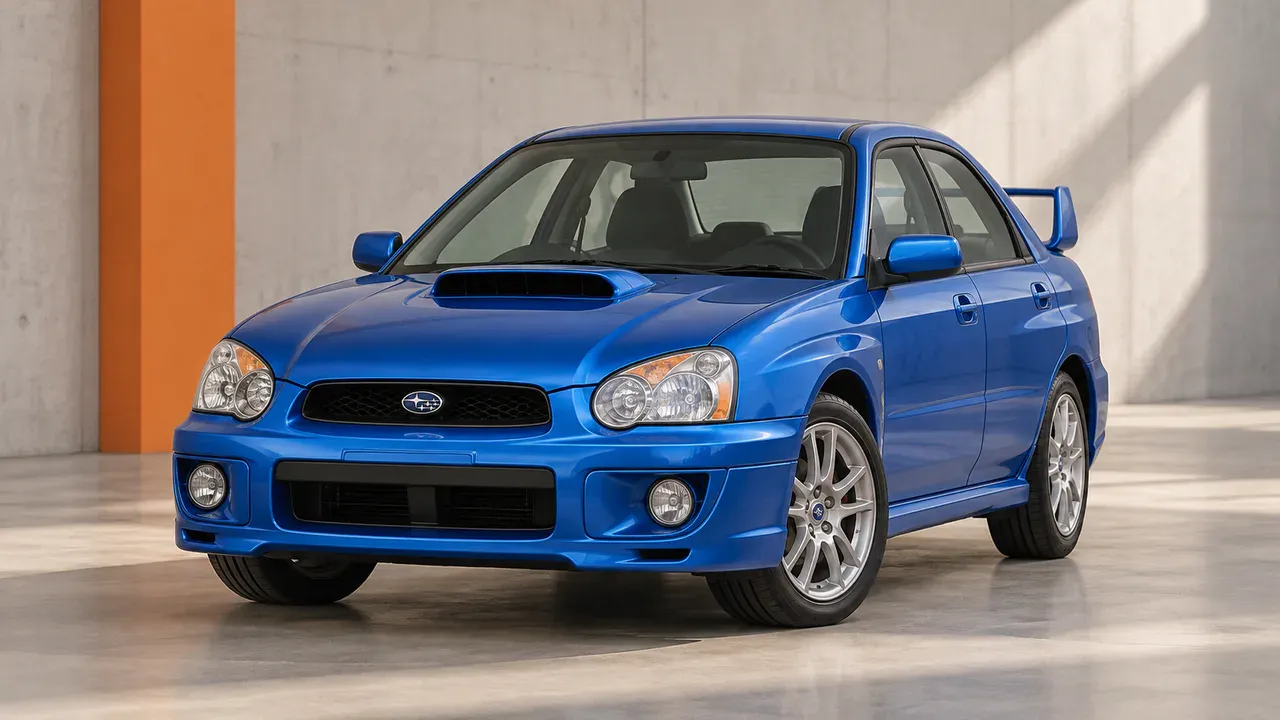
Setting Up Your Inspection of a Second Gen Subaru WRX
When purchasing a used Subaru WRX, it is advisable to physically inspect the vehicle prior to purchase, even though sight unseen purchasing is becoming popular. If you are not able to inspect it yourself, try to arrange for a reliable friend or third party to do so.
A second pair of eyes can be helpful during your inspection. Bringing a helper allows them to give you their thoughts on the second generation Impreza and offer a second opinion on whether it is a good buy.
You should view the WRX at the seller’s house or place of business. This location allows you to see how and where the car is stored. If the WRX is always parked out on the street, there is a higher chance of bodywork issues, such as rust or perished seals, than if it has been kept in a garage. You can also gauge the type of roads the WRX is driven on. If the roads are rough and contain potholes, the suspension, steering components, wheels, and tyres may have suffered damage.
To minimise the seller’s opportunity to hide issues, such as oil leaks, try to inspect the WRX in the morning rather than later in the day. Furthermore, you should ask the seller not to drive or warm up the car before your arrival. A warm engine can potentially hide various issues.
If the Subaru WRX is being sold at a dealer, it may be wise not to let them know you are coming to see it, as this could give them a chance to pre-warm the engine or clean up any potential problems.
Avoid inspecting a used car in the rain, as water can cover up issues with the bodywork and paint. If it is raining when you inspect or test drive a second gen Subaru WRX, make a second viewing before making a purchase. Also, be cautious if the seller has just washed the car, as this might hide an issue with the engine bay or the underside of the vehicle. Finally, ask the seller to move their WRX outside. Lighting within garages or showrooms can cover up issues that direct sunlight might reveal.
Read the full guide: Subaru WRX Buyers Guide Gen 2