The Evolution of the SW20 MR2
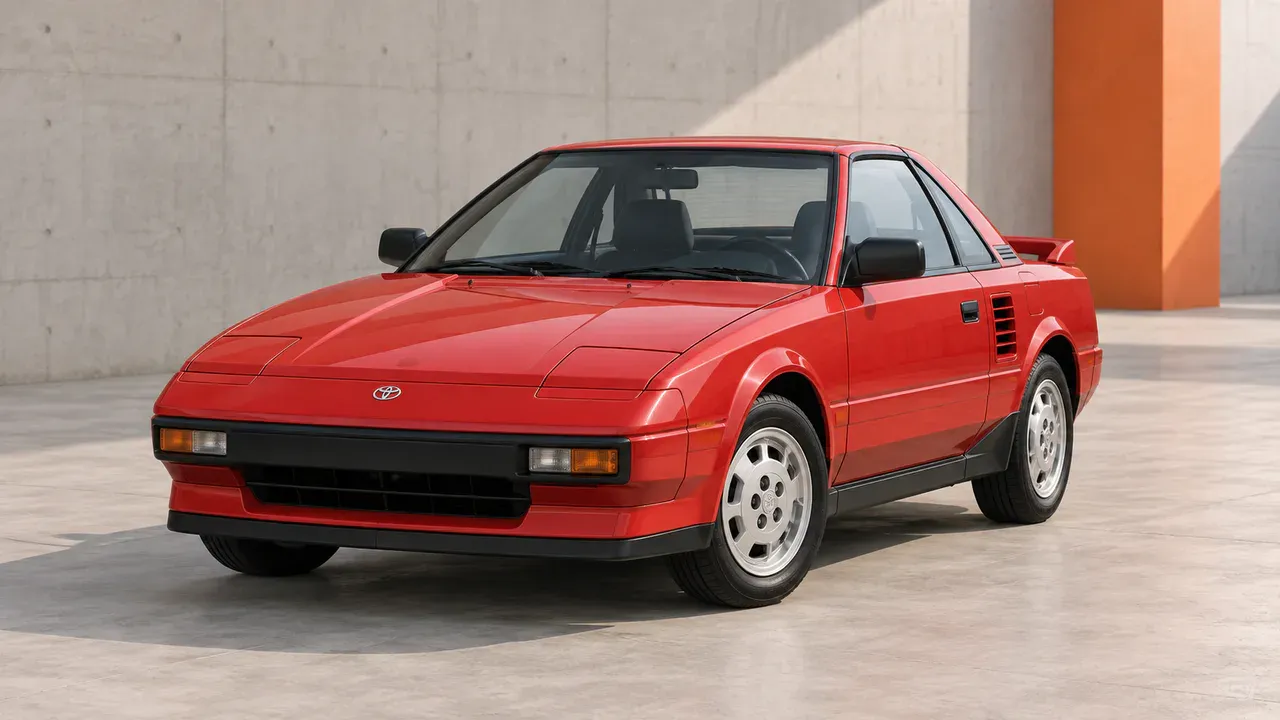
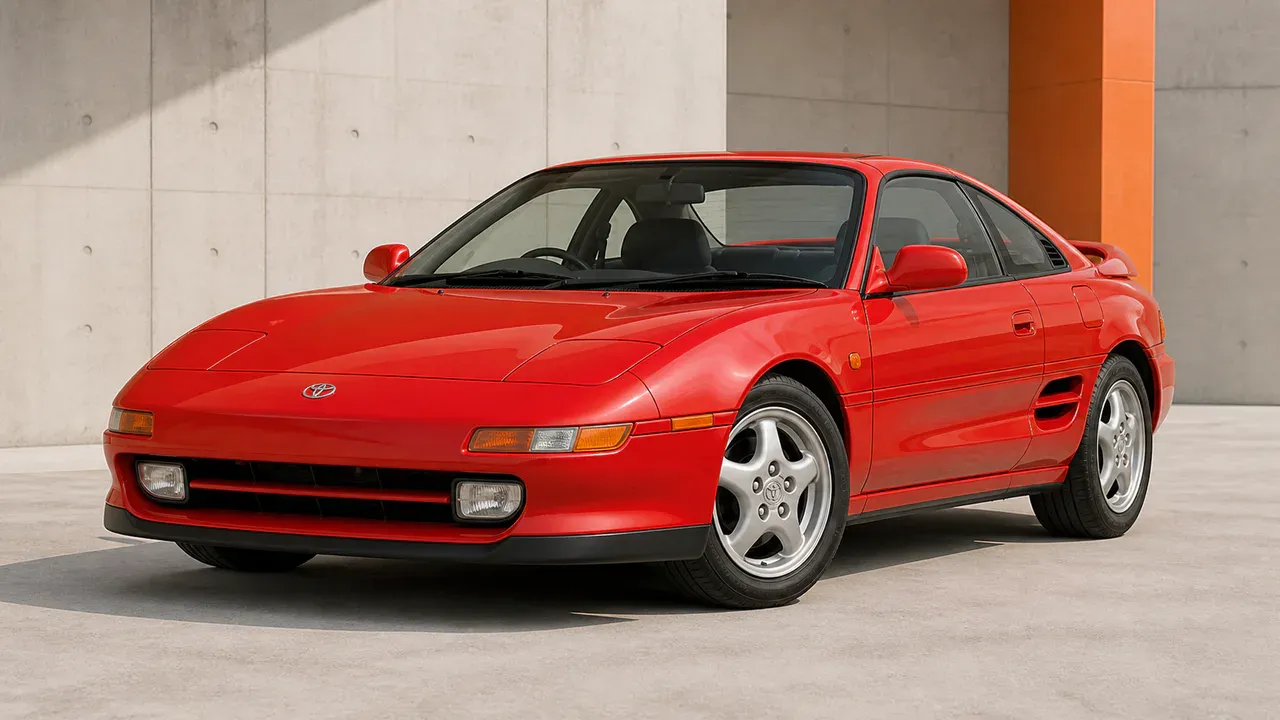
The first MR2 was successful when it launched in 1984. The second generation was designed to be a major update over the W10 MR2 and was intended to be more exotic, leading some to label it a “baby Ferrari.”
The svelte new MR2 went on sale in Japan in October 1989, five and a half years after the initial launch. Compared to the old W10, the new MR2 grew considerably. It was 245mm longer with an 80mm longer wheelbase, while its overall width was 30mm wider, and the height was 10mm shorter.
Weight increased from just under 1,000kg to nearly 1,200kg for the naturally aspirated model. Turbocharged Mk2s and T-top models weighed 1,250kg and 1,310kg, respectively.
Toyota offered several models across different markets:
For Japan, there were four models: the G, the G-Limited, the GT-S, and the GT. The base-spec G model used a 2.0-litre 3S-GE engine producing 163hp. The GT-S featured a turbocharged 2.0-litre 3S-GTE engine producing 218hp.
US buyers had the MR2 and the MR2 Turbo. The standard MR2 model featured a naturally aspirated 2.2-litre 5S-FE engine that produced 130hp. The turbocharged model used the 2.0-litre 3S-GTE engine with 200hp.
European markets offered three trim levels: the Coupe, the GT Coupe, and the GT T-Bar. These models used naturally aspirated 2.0-litre 3S-FE or 3S-GE engines, with Coupe models producing around 138 horsepower and GT models producing 152hp.
In terms of speed, the Japanese spec turbocharged MR2 could achieve 0 – 100km/h (62mph) in 5.5 seconds, with a top speed of around 250km/h (155mph). The US-sold turbocharged model was slightly slower, reaching 0 – 100km/h in 6.1 seconds.
Over the course of its ten-year lifespan, Toyota performed five different revisions. The most notable came in 1992 and 1993, when the power of the Japanese 3S-GTE models was upped to 242 horsepower. In 1992, changes were made to the MR2’s suspension geometry.
Read the full guide: Toyota MR2 Mk2 Buyers Guide