The Origin of the Sports Car Project
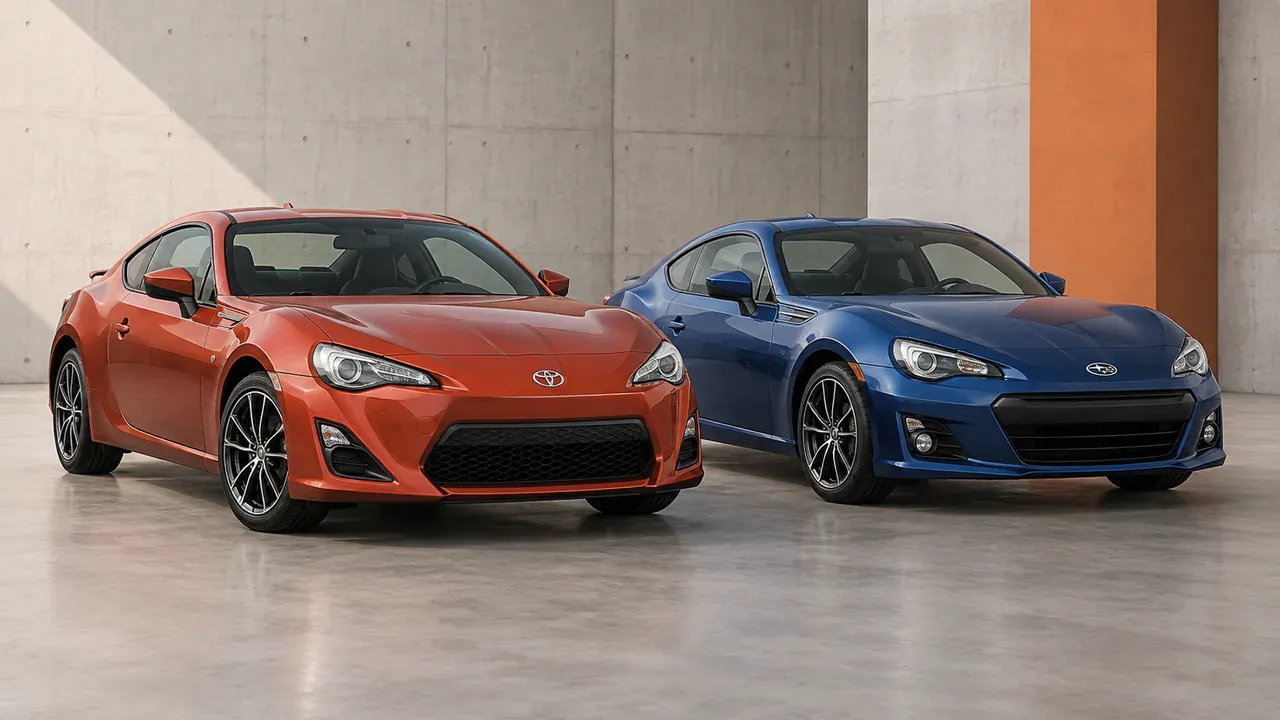
The development of the GT86 and BRZ began with an executive board meeting at Toyota in 2007. The board was concerned that people globally were losing interest in motorcars. One suggestion from this meeting was to return to basics with sports cars to reignite the general population’s interest.
Tetsuya Tada, the chief engineer of the 86, was summoned only one month after the executive meeting to start this new sports car project. Initially, Tada found that most sports cars were developed around high performance and fast lap times. However, he discovered that many car enthusiasts wanted a fun, affordable sports car, similar to the old AE86 or Nissan Silvia.
Tada’s design concepts faced immediate scrutiny from the board, who wanted a high-performance model. Considering aerodynamics and pedestrian safety standards, to address the needs of the project, Tada realised they would need a flat-four cylinder or possibly even a rotary engine.
When Toyota and Subaru began working together, the initial idea for a low speed sports car was shot down immediately by Subaru. After a six-month delay, however, after Tada and his team created a prototype using Subaru’s Legacy as a basis, Subaru management approved the project.
Engineering Challenges and Solutions
One year into the development, both companies realised that the flat-four engine would not meet the project requirements. Not only did the powerplant need to reach 100bhp per litre, but it also had to meet an environmental target of a maximum of 160g/km of carbon dioxide emissions.
To address this, Tada enlisted help from the chief engineer of the Lexus LFA. He proposed using Toyota’s D4S (direct and port) fuel-injection system along with a new bore and stroke size. This plan faced internal resistance from the Toyota board regarding the disclosure of their fuel-injection system. However, Shinzo Kobuki, the head of Toyota’s engine development department, convinced the board to proceed.
Though there was resistance from Subaru’s engine-development leadership, Kobuki managed to convince them to go ahead with the plan, with Toyota undertaking the warranty for all problems.
The final piece of the puzzle was created in 2008. The resulting prototype engine was capable of 190bhp and managed to convince both Toyota’s and Subaru’s engineers that the direct injection system was the correct path forward.
Read the full guide: Toyota GT86 Subaru BRZ Buyers Guide