History and Specification of the Fourth Generation GS
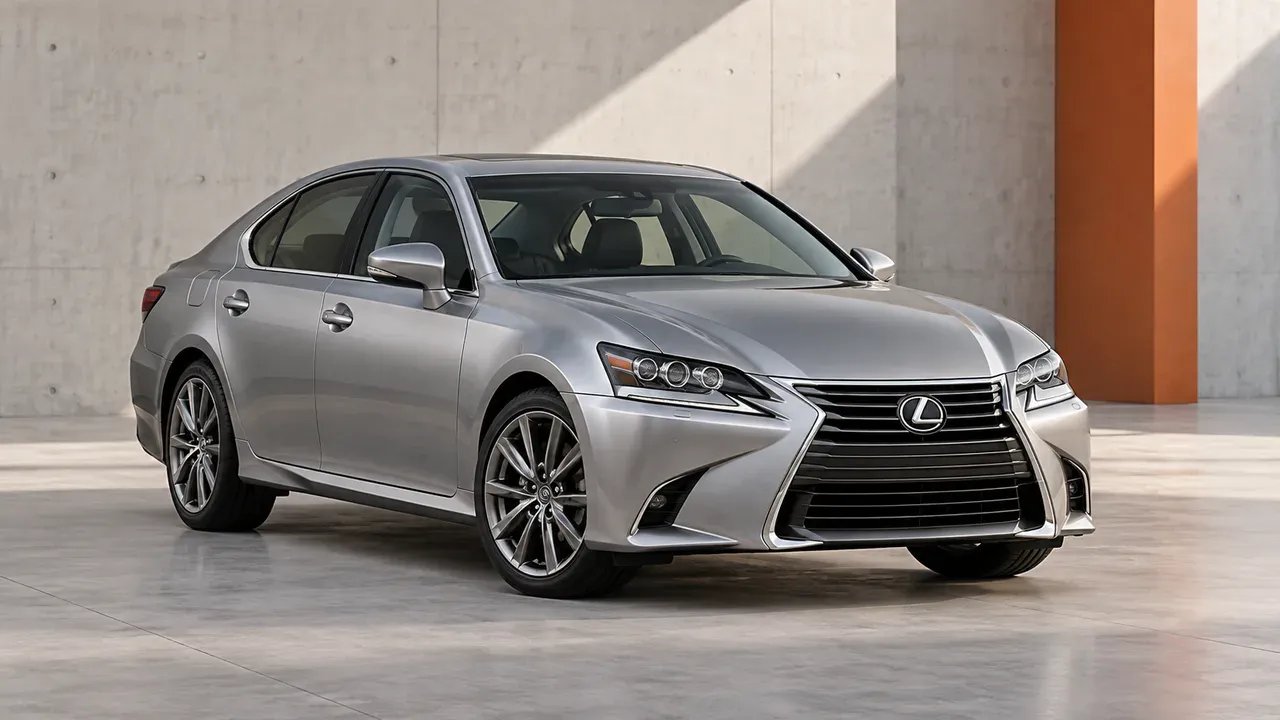
The development of the fourth-generation Lexus GS commenced in 2007 and was showcased to the public at the New York Auto Show in 2011. The production model, the Lexus GS 350, was unveiled at a press release at Pebble Beach on the 18th of August.
The GS 350 is powered by a 3.5-litre V6 engine that produces 306-horsepower and 376 Nm (277 lb-ft) of torque. This engine is capable of taking the Lexus from 0–100 km/h (62 mph) in around 5.7 seconds. The engine is paired with a six-speed paddle-shift transmission, which offers four driving modes: Eco, Normal, Sport S, and Snow. Vehicles fitted with Adaptive Variable Suspension can access Sport S+, which provides more dynamic performance.
The GS also came in other tiers, including the GS 250 and the GS 450h. The GS 250 uses a 2.5-litre Dual VVT-I V6 engine, producing around 209 PS (154 kW/206 bhp). The top speed of the GS 250 is roughly the same as the GS 350, around 229 km/h (142 mph). However, the 0–100 km/h (62 mph) time for the GS 250 is around 8.5 seconds.
For those interested in the most powerful model, the GS 450h was introduced. It features a hybrid system comprising a 3.5-litre V6 and a high-torque electric motor. Despite a nearly 40-horsepower advantage over the GS 350, the GS 450h maintained roughly the same acceleration and top speed performance.
Inside the cabin, the GS offered different display options. Standard models included an eight-inch display, while the optional navigation system allowed buyers to fit a 12.3-inch screen with split-screen functionality. The standard 5.1 Surround Sound system could be upgraded to an 835-watt, 17-speaker 7.1 Mark Levinson system. Standard features also included a rear backup camera, LED ambient lighting, and an SMS text-to-speech function.
Read the full guide: Lexus GS L10 Buyers Guide